
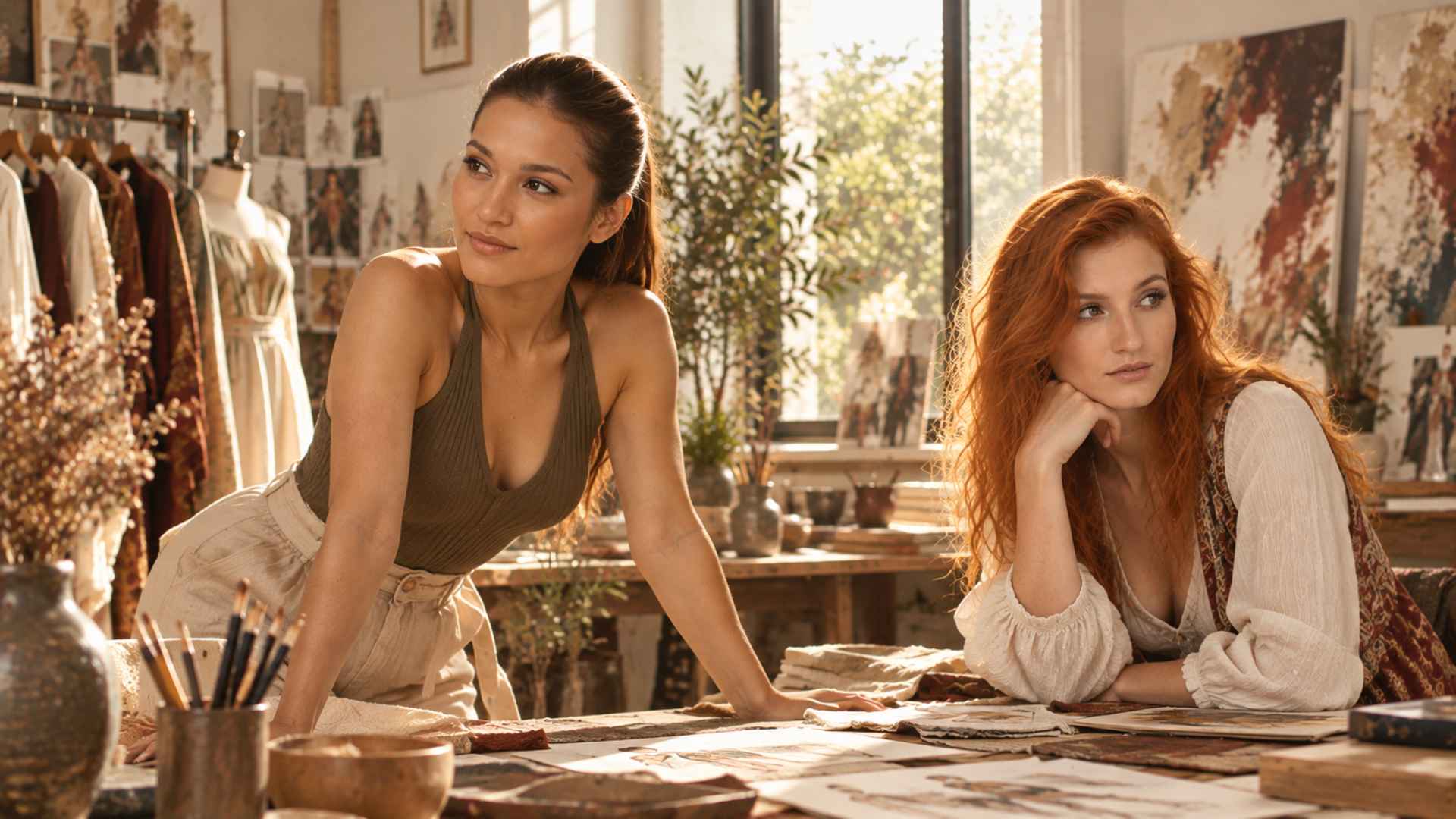
In a world where trends change rapidly and social expectations often influence how people look, think, and behave, individuality has become an important form of self-expression. People increasingly seek ways to communicate their identities beyond conventional standards, using creativity to show what makes them different. Art, fashion, and personal expression offer powerful opportunities to challenge established norms, celebrate diversity, and develop a stronger sense of identity. Rather than following familiar patterns, individuals can use creative choices to express their beliefs, emotions, cultural backgrounds, and personal experiences in meaningful ways. This shift reflects a growing appreciation for authenticity and originality in modern society.
Breaking away from traditional expectations does not necessarily mean rejecting every established rule. Instead, it involves questioning limitations and finding the freedom to make choices that reflect personal values. Through experimental artwork, unconventional clothing, and distinctive lifestyle choices, people can redefine what it means to be themselves. These creative practices also encourage conversations about identity, beauty, culture, and social change. As digital platforms make diverse perspectives more visible, art and fashion continue to influence how individuals understand themselves and connect with others. Embracing personal expression ultimately creates space for new ideas and more inclusive definitions of individuality.
The Power of Art in Challenging Traditional Boundaries
Art has always provided a platform for people to question accepted beliefs and communicate ideas that may be difficult to express through ordinary language. From abstract paintings to experimental photography and contemporary installations, artists use creative techniques to challenge conventional perspectives. Their work can question social structures, address cultural issues, and encourage audiences to reconsider familiar assumptions. By moving beyond traditional artistic methods, creators demonstrate that meaningful art does not have to follow a fixed formula. Instead, originality often emerges when artists take risks, combine unexpected influences, and allow personal experiences to shape their creative decisions.
Beyond galleries and museums, art has become increasingly accessible through public murals, digital illustrations, independent exhibitions, and online creative communities. These spaces allow emerging artists to share their perspectives without relying entirely on traditional institutions for recognition. Artistic expression can also help people process emotions, preserve cultural heritage, and communicate experiences that might otherwise remain overlooked. When audiences encounter unfamiliar styles or perspectives, they gain opportunities to question their own assumptions and appreciate different ways of seeing the world. In this sense, art does more than challenge visual conventions. It creates meaningful connections between individual identity, collective experience, and social transformation.
Fashion as a Statement of Individual Identity
Fashion offers a visible and immediate way to communicate personality, values, and cultural influences. Clothing choices can reflect confidence, creativity, heritage, or a desire to challenge conventional beauty standards. Some individuals combine vintage garments with contemporary designs, while others experiment with bold colors, unexpected silhouettes, or gender-neutral styles. These choices demonstrate that fashion is not simply about following seasonal trends or purchasing expensive labels. It can become a personal language through which people express their identities and establish a sense of belonging. By choosing garments that feel authentic, individuals can redefine style according to their own preferences rather than external expectations.
Personal Expression and the Freedom to Be Different
Personal expression extends beyond artistic projects and clothing into everyday decisions, communication styles, hobbies, and lifestyle preferences. It allows people to present themselves honestly without feeling obligated to satisfy every social expectation. Although expressing individuality can sometimes invite criticism, developing the confidence to make independent choices helps strengthen self-awareness and emotional resilience. Personal expression also encourages people to recognize that identity is not fixed. As experiences, relationships, and perspectives evolve, individuals can adapt how they communicate who they are. This freedom makes authenticity an ongoing process rather than a final destination.
Breaking Social Norms Through Creative Choices
Challenging social norms often begins with small decisions that reflect personal beliefs. Someone might pursue an unconventional career, wear clothing that challenges traditional gender expectations, or create artwork inspired by experiences rarely represented in mainstream culture. Although these actions may appear ordinary to the individuals involved, they can encourage broader conversations about acceptance and freedom. Creative choices become particularly meaningful when they challenge assumptions without dismissing the experiences of others. By demonstrating alternative ways to live and create, individuals help expand the boundaries of what society considers acceptable, encouraging greater openness toward differences in appearance, background, and perspective.
The Influence of Digital Culture on Modern Creativity
Digital platforms have transformed how people share creative work and express their identities. Social media, online portfolios, and independent publishing tools allow artists, designers, and everyday creators to reach audiences across geographical and cultural boundaries. This accessibility helps unconventional ideas gain visibility and enables niche communities to connect around shared interests. However, digital culture also creates pressure to follow viral aesthetics, seek approval, and present carefully curated versions of personal identity. Maintaining originality therefore requires a balance between participating in online communities and protecting individual creative freedom. The most meaningful digital expression often comes from using technology to communicate genuine perspectives rather than simply reproducing popular trends.
Building Confidence Through Authentic Self Expression
Confidence grows when people recognize that their worth does not depend entirely on meeting external standards. Developing a personal style, creating artwork, or sharing original ideas can provide practical ways to understand individual strengths and preferences. These activities encourage experimentation, helping people discover what feels meaningful without expecting immediate approval. Mistakes and criticism can also become valuable parts of the creative process, offering opportunities to refine ideas and build resilience. Authentic self-expression becomes more sustainable when individuals focus on personal growth instead of constant comparison. Over time, this mindset can support stronger self-esteem, healthier relationships, and a greater willingness to respect differences in others.
Embracing Individuality Through Art and Fashion
Breaking the mold through art, fashion, and personal expression is ultimately about creating room for individuality in a world that often rewards conformity. Art encourages people to question familiar perspectives, fashion provides a visible outlet for identity, and personal expression allows individuals to communicate their values through everyday choices. Together, these creative practices challenge narrow definitions of beauty, success, and belonging. They also demonstrate that originality does not require dramatic gestures or expensive materials. Sometimes, it begins with choosing a color that feels right, creating something imperfect but meaningful, or speaking honestly about an experience that deserves to be heard. Every authentic choice can contribute to a broader culture of creativity and acceptance.
Moving forward, embracing individuality requires both personal courage and a willingness to appreciate different perspectives. People can support this process by engaging with independent artists, choosing clothing that reflects their preferences, participating in creative communities, and respecting expressions that differ from their own. Businesses, educational institutions, and cultural organizations can also contribute by creating spaces where experimentation and diversity are welcomed. Although social expectations will continue to influence creative decisions, they do not have to determine the boundaries of personal identity. When individuals feel free to express themselves authentically, art and fashion become more than forms of appearance or entertainment. They become meaningful tools for connection, empowerment, and positive cultural change.