
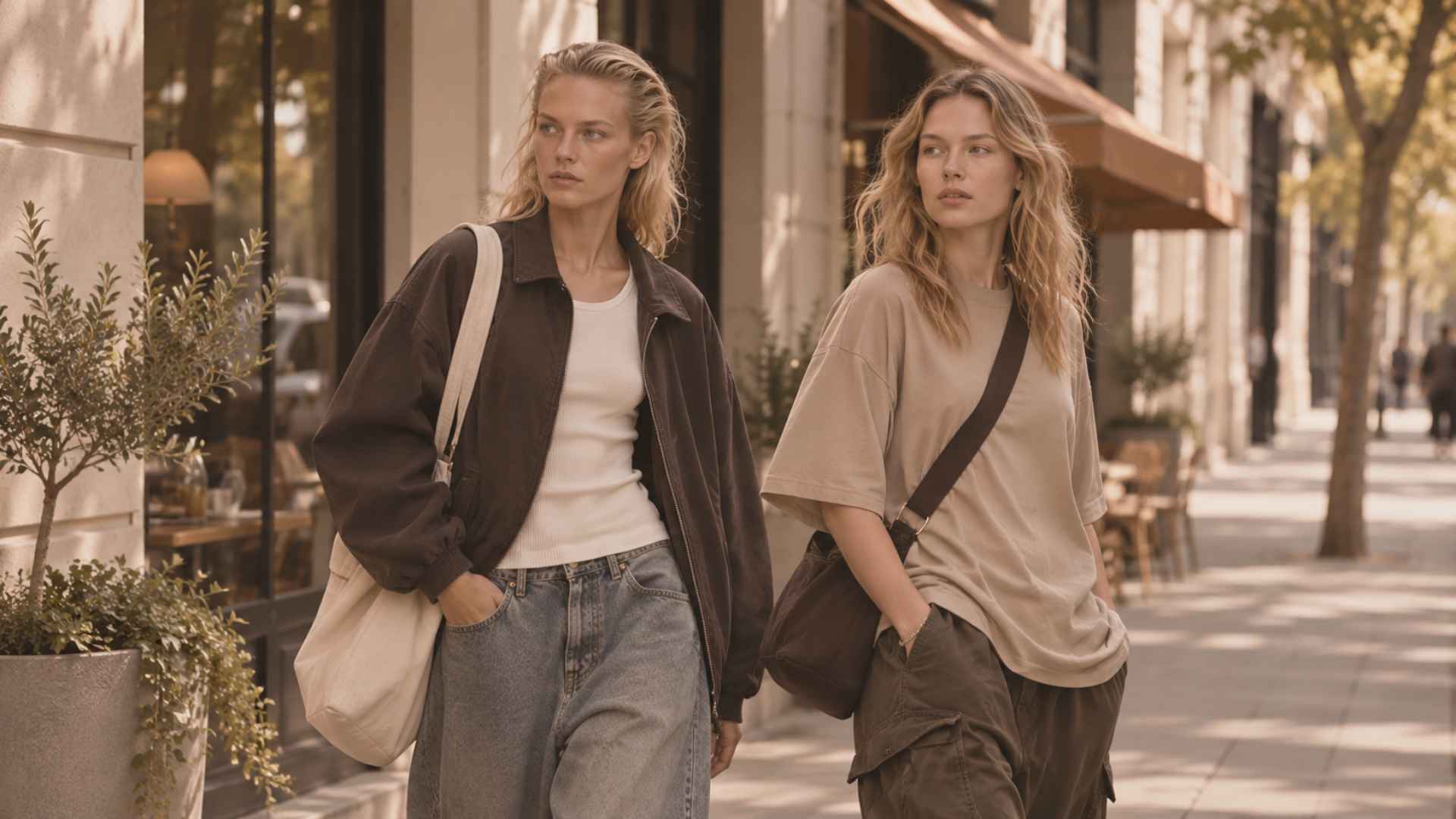
Casual clothing has become a regular part of wardrobes because it suits activities that do not require formal dress. T shirts, jeans, sweatshirts, sneakers, and relaxed trousers provide practical options for commuting, social occasions, and time at home. Although casual wear and streetwear share several garments, the terms do not mean exactly the same thing. Casual clothing generally describes an informal level of dress, while streetwear also carries associations with music, sports, art, and youth culture. The difference is useful when examining both the appearance and the purpose of everyday outfits.
Streetwear often uses familiar casual pieces but places greater emphasis on silhouette, graphics, footwear, and cultural references. Oversized shirts, hooded sweatshirts, loose denim, and athletic shoes can appear in either category. Their effect depends on proportions, fabric, and the way individual items are combined. Neither style requires expensive products or a specific logo. Practical considerations such as weather, comfort, workplace expectations, and personal preference remain relevant. These factors explain why casual clothing can form the foundation of a wardrobe while streetwear provides a distinct way to express individual taste.
The Cultural Roots of Streetwear
Streetwear developed through several overlapping communities rather than a single fashion movement. In the United States, hip hop culture helped popularize sportswear, denim, caps, and sneakers during the late 1970s and 1980s. Skateboard communities also favored clothing that allowed movement and tolerated regular use. California surf and skate scenes contributed graphic T shirts and relaxed shapes. By the 1990s, influences from music, skating, and urban fashion increasingly crossed paths. Photographs and museum collections from these periods document the popularity of tracksuits, baseball caps, and athletic footwear. No single garment defined the culture on its own. Together, these developments helped turn functional everyday clothes into visible markers of cultural identity.
The relationship between streetwear and popular culture is particularly clear in footwear. Sneakers originally designed for sports became part of everyday dress and developed significance within hip hop and skate communities. Graphics on shirts also served purposes beyond decoration, allowing wearers to reference artists, local scenes, or shared interests. As these styles spread, their original cultural contexts sometimes became less visible. Recognizing those roots gives streetwear a more accurate history than treating it simply as a recent preference for oversized clothing and prominent logos.
Fabric and Fit for Daily Comfort
Fabric construction affects the way casual garments feel and behave. Cotton jersey, a common knit material for T shirts, has a soft surface and some natural stretch from its knitted structure. French terry typically has loops on one side and a smoother face, making it common in sweatshirts and casual trousers. Fleece fabrics often have a raised surface that traps air and provides insulation. Denim is usually woven with a twill structure, which produces its characteristic diagonal pattern. These differences affect warmth, drape, texture, and suitability for various conditions.
Fiber content matters alongside construction. Cotton absorbs moisture, while polyester generally absorbs less and tends to dry more quickly. Blended fabrics can combine characteristics of both fibers, although performance depends on the blend and fabric design. Fit also influences comfort: a relaxed cut leaves more space around the body, but an overly long sleeve or trouser leg may interfere with movement. Measurements across the shoulders, chest, waist, and inseam offer a more reliable comparison than size labels alone, which can vary between manufacturers and garment styles.
Outfit Balance and Garment Care
Casual and streetwear outfits often work best when each piece has a clear role. Straight leg jeans with a plain T shirt and low profile sneakers create a relatively neutral base. A boxy shirt or wider trousers changes the silhouette without requiring additional graphics. Loose clothing from head to toe can also look intentional, particularly when lengths are considered carefully. For example, the hem of a jacket affects how it relates to the waistband of trousers. Such choices are matters of proportion rather than fixed rules about what everyone should wear.
Color can establish a consistent appearance across different garment types. Neutral shades such as navy, gray, black, white, and olive are easy to combine because they are less likely to compete visually. Stronger colors or large prints can be used selectively when the rest of an outfit remains simple. Footwear contributes to the overall result as well: canvas sneakers, leather sneakers, and sturdy boots each create a different visual effect. Seasonal adjustments, including lightweight overshirts or insulated outer layers, help keep the same basic wardrobe useful throughout the year.
Garment care is equally important for maintaining everyday clothes. Care labels indicate suitable washing, drying, and ironing methods; in the United States, federal rules require care instructions on most textile apparel. Following those directions helps limit avoidable damage, especially for garments with prints, elastic components, or special finishes. Turning printed shirts inside out and avoiding unnecessary heat may help protect their surfaces, provided the label allows those methods. A practical casual wardrobe is therefore not defined by constant purchases. It depends on garments that fit daily needs, reflect personal preferences, and remain wearable through regular use.