
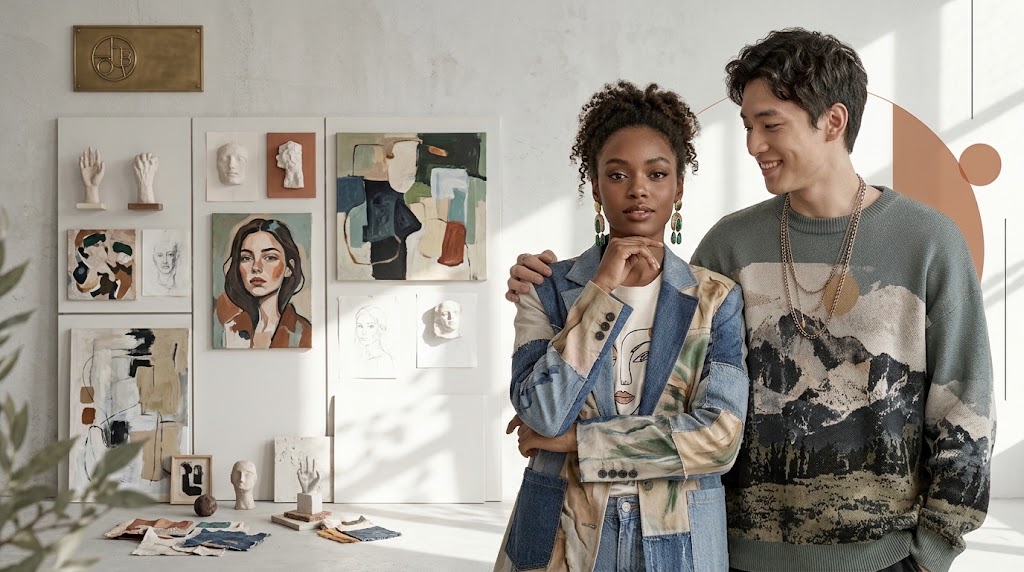
Every person has a unique story shaped by personal experiences, cultural influences, emotions, and individual perspectives. In a world where trends often encourage people to follow familiar patterns, finding the courage to express personal identity can become a meaningful journey. Art, fashion, and creativity offer powerful ways to communicate those differences without relying entirely on words. Through colors, textures, silhouettes, handmade objects, and imaginative ideas, individuals can reveal aspects of themselves that might otherwise remain unseen. These forms of expression create opportunities to celebrate personal freedom while appreciating the diversity that makes every community vibrant. Rather than measuring beauty or success against a single standard, embracing individuality encourages people to recognize the value of their own voices. It also reminds us that originality does not require perfection, expensive materials, or widespread recognition. Sometimes, the most meaningful expression begins with a simple idea that reflects who someone truly is.
Celebrating individuality through creative expression also creates connections between people from different backgrounds and generations. A painting inspired by childhood memories, an outfit influenced by traditional craftsmanship, or a handmade accessory carrying personal symbolism can communicate emotions that many people understand. Although each creation may reflect a deeply personal experience, its message can resonate with others who recognize similar feelings, challenges, or aspirations. This relationship between self-expression and shared understanding makes creativity an important part of contemporary culture. It gives individuals room to question expectations, experiment with new possibilities, and develop a stronger sense of identity. As digital platforms make creative work more visible, people have more opportunities to share their perspectives with wider audiences. However, the true value of originality remains rooted in authenticity rather than popularity. By embracing art, fashion, and creative expression, individuals can build confidence, challenge conventional ideas, and contribute to a world that welcomes different ways of living and seeing beauty.
The Power of Art in Expressing Personal Identity
Art has long provided a space where individuals can communicate thoughts, emotions, and experiences that are difficult to explain through ordinary conversation. From expressive paintings and detailed illustrations to photography, sculpture, and mixed media, every artistic medium offers different possibilities for personal storytelling. Some artists use bold colors to express confidence, while others rely on subtle compositions to communicate vulnerability, nostalgia, or hope. These choices reflect personal interpretations of the world rather than universal rules about what art should look like. Celebrating individuality through art means recognizing that different creative approaches can be equally meaningful, even when they challenge familiar aesthetic expectations. An imperfect sketch may capture an honest emotion more effectively than a technically flawless image, while an unconventional sculpture can encourage viewers to reconsider familiar objects. When artists trust their instincts and embrace their perspectives, their work becomes a reflection of their identity, making creative expression a powerful tool for self-understanding and emotional communication.
The process of creating art can also help individuals develop confidence and a deeper appreciation for their own experiences. Making something personal requires decisions about materials, colors, composition, and meaning, allowing creators to practice independent thinking while discovering what feels authentic to them. This process does not need to result in a finished masterpiece to be valuable. Experimenting with unfamiliar techniques, revisiting old ideas, or creating without a specific outcome can reveal interests and abilities that might otherwise remain unnoticed. Art also offers a constructive way to process complicated emotions, preserve important memories, and express perspectives shaped by family, community, and cultural heritage. In shared creative spaces, people can exchange ideas without needing to agree on every interpretation or artistic choice. Such environments encourage curiosity and mutual respect, demonstrating that differences can enrich a collective experience. By making room for both experimentation and personal storytelling, art helps individuals appreciate their uniqueness while understanding that everyone deserves the freedom to communicate their own version of the world.
Fashion as a Reflection of Individual Style and Values
Fashion provides an everyday opportunity to express personality through clothing, accessories, colors, and the way different pieces are combined. Although trends influence what appears in stores and on social media, personal style becomes meaningful when individuals choose items that reflect their comfort, preferences, lifestyle, and values. Someone may feel most authentic wearing minimalist neutral tones, while another person may prefer vibrant patterns, oversized silhouettes, vintage garments, or experimental combinations. Neither approach needs to be more fashionable than the other because style is ultimately a personal interpretation of appearance and identity. Celebrating individuality through fashion encourages people to move beyond rigid expectations about body types, gender expression, age, and conventional beauty. It also makes room for cultural influences, family traditions, and personal memories to become part of everyday outfits. A carefully chosen scarf, a pair of customized sneakers, or a treasured secondhand jacket can communicate a story that extends beyond its visual appeal. When clothing reflects genuine preferences instead of constant pressure to fit in, getting dressed becomes a creative act that supports confidence and personal freedom.
Individual style can also express values related to sustainability, cultural appreciation, and responsible consumption. Choosing secondhand clothing, repairing damaged garments, supporting independent designers, or transforming old fabrics into new creations allows people to develop distinctive wardrobes while considering the wider impact of their purchases. These practices demonstrate that originality does not depend on continuously buying the latest collections. Instead, creativity often emerges from making thoughtful combinations with items that already exist. Fashion can also preserve cultural knowledge through traditional textiles, embroidery, weaving, and locally developed techniques passed between generations. When these elements are incorporated respectfully, clothing can celebrate heritage while supporting contemporary interpretations of traditional craftsmanship. It is important, however, to recognize the communities behind cultural designs and avoid treating meaningful symbols as disposable decorations. A thoughtful approach to personal style considers both individual expression and the stories associated with what we wear. By prioritizing authenticity, resourcefulness, and cultural respect, people can create fashion choices that feel distinctive while contributing to a more inclusive and environmentally conscious fashion culture.
Creative Freedom and the Beauty of Being Different
Creative freedom allows individuals to experiment with ideas without feeling obligated to satisfy every expectation placed upon them by society. This freedom can appear in many forms, including writing, music, dance, interior design, photography, digital illustration, and handmade crafts. Each activity provides opportunities to interpret experiences in personal ways and communicate perspectives that may differ from mainstream preferences. When people are encouraged to experiment, they become more willing to take creative risks, question established conventions, and develop original approaches to familiar problems. Not every experiment will produce a successful result, but the process can reveal new interests and strengthen independent thinking. Celebrating individuality through creativity means accepting that unusual ideas are not automatically mistakes and that different approaches can offer valuable insights. A room decorated with meaningful objects, a song written about an ordinary afternoon, or a collage made from discarded materials may carry considerable personal significance. By allowing curiosity to guide the process, individuals can create work that feels honest, distinctive, and connected to their everyday experiences.
Embracing creative freedom also requires understanding that comparison can sometimes interfere with authentic self-expression. Digital platforms make it easy to compare personal projects with carefully edited images, professionally produced content, and the apparent achievements of other creators. Although inspiration from others can encourage growth, constant comparison may create unrealistic expectations about talent, productivity, or artistic success. Developing an individual creative voice takes time, experimentation, and the willingness to make decisions without receiving immediate approval. Setting personal goals, keeping a journal of ideas, and allowing space for unfinished projects can help creators maintain a healthier relationship with their work. It is equally important to recognize that creativity does not need to become a career or generate public attention to have value. A private sketchbook, a handmade gift, or a personal music playlist can provide meaningful satisfaction without an audience. When people measure creative fulfillment by personal growth rather than external recognition, they become better equipped to appreciate their own progress and respect the different paths others take.
The Influence of Digital Culture on Modern Self-Expression
Digital technology has transformed the ways people share creative ideas, connect with communities, and present their identities to the world. Online platforms provide accessible spaces for photographers, illustrators, fashion enthusiasts, musicians, and independent makers to publish their work without depending entirely on traditional institutions. A creator working from a small home studio can reach audiences across different countries, receive feedback, and connect with people who appreciate similar interests. Tutorials, online exhibitions, virtual workshops, and creative communities also make it easier to access knowledge and experiment with unfamiliar techniques. These opportunities can encourage people who previously felt isolated or lacked local creative resources to develop their skills and share their perspectives. Digital self-expression can be particularly meaningful for individuals whose interests, cultural backgrounds, or personal styles are underrepresented in mainstream media. By making more voices visible, online creativity can broaden public understanding of beauty, identity, and artistic possibility. However, the most valuable digital experiences often emerge when people use technology to support genuine expression rather than simply reproduce whatever receives the most attention.
Despite these advantages, maintaining individuality online requires a thoughtful balance between participation and personal boundaries. Recommendation systems and viral trends can encourage repeated versions of similar content, making originality feel less important than visibility or engagement. Creators may also feel pressured to present a polished identity that matches audience expectations, even when that image no longer reflects their real interests. Developing a recognizable creative voice does not mean avoiding inspiration or refusing to participate in popular conversations. Instead, it involves adapting influences thoughtfully and deciding which ideas genuinely align with personal values. Protecting privacy, respecting other people’s creative ownership, and approaching online feedback critically can further support healthier creative practices. Digital platforms are most useful when they provide tools for communication, experimentation, and collaboration without becoming the sole measure of artistic worth. By approaching online spaces with intention, individuals can benefit from wider creative communities while maintaining the independence that makes their work meaningful. In this way, technology becomes a bridge between personal expression and collective appreciation rather than a force that dictates how everyone should look, create, or behave.
Building Inclusive Communities Through Art and Fashion
Inclusive creative communities recognize that artistic expression becomes richer when people with different experiences, abilities, backgrounds, and perspectives can participate. Community art projects, independent fashion events, local craft markets, and collaborative exhibitions can bring individuals together around shared interests while allowing their differences to remain visible. These environments create opportunities for people to exchange knowledge, learn about unfamiliar traditions, and appreciate creative approaches that challenge their assumptions. An exhibition featuring artists from several generations, for example, can reveal how different life experiences influence the interpretation of similar subjects. Likewise, a community fashion initiative can highlight a variety of body types, personal styles, and cultural influences without presenting one appearance as the ideal. Inclusion requires more than displaying diverse participants; it also involves providing meaningful access, listening to underrepresented voices, and respecting the contributions of everyone involved. When creative spaces prioritize participation over exclusivity, they help people feel valued for their ideas and experiences. This sense of belonging can encourage further experimentation and strengthen relationships across communities.
Supporting inclusive creativity also means making artistic opportunities accessible to people with different resources and circumstances. Expensive equipment, specialized training, and professional studio spaces can create barriers, but many creative activities can begin with affordable materials, borrowed tools, or shared community resources. Libraries, public workshops, neighborhood projects, and online learning communities may offer practical ways for people to develop their interests without making substantial financial commitments. Organizers can further encourage participation by considering physical accessibility, language differences, flexible schedules, and a welcoming atmosphere for beginners. Established artists and designers also have opportunities to support emerging creators through mentorship, fair collaboration, and recognition of original contributions. These actions help build creative environments where participation does not depend entirely on income, professional connections, or previous experience. When communities value both formal expertise and everyday creativity, they expand the range of stories and ideas that receive attention. Ultimately, inclusive artistic spaces demonstrate that individuality is not a privilege reserved for a select group but a human quality that deserves encouragement, respect, and opportunities to flourish.
Everyday Ways to Celebrate Creativity and Authenticity
Celebrating individuality does not require dramatic changes or exceptional artistic talent because small, intentional choices can make creative expression part of everyday life. People can begin by keeping a notebook for ideas, experimenting with color combinations, photographing interesting details, or creating simple decorations that reflect their personalities. Personal fashion can become another opportunity to experiment by combining existing garments in unfamiliar ways, adding handmade accessories, or choosing clothing that feels comfortable and meaningful. Cooking, gardening, journaling, arranging furniture, and making gifts also involve creative decisions that reveal individual preferences. The important step is to approach these activities with curiosity instead of worrying about whether the results meet external standards. Setting aside regular time for creative hobbies can provide a welcome break from repetitive routines and constant digital stimulation. It can also help individuals recognize patterns in their interests and identify forms of expression that bring them genuine satisfaction. By treating creativity as an accessible part of ordinary life, people can strengthen their confidence and develop a more personal relationship with the choices they make each day.
Another meaningful way to nurture authenticity is to appreciate the creative efforts of others without turning appreciation into competition. Visiting local exhibitions, purchasing work from independent makers when possible, sharing thoughtful feedback, and recommending emerging artists can help creative communities grow. At the same time, individuals can practice giving themselves permission to change their preferences as their experiences and priorities evolve. Personal style may develop gradually, artistic interests may shift, and familiar techniques may eventually give way to new approaches. Such changes do not diminish individuality; they demonstrate that identity remains flexible and responsive to life. It is also helpful to remember that creative expression can be imperfect, unfinished, or meaningful only to the person who creates it. Not every idea needs to become a finished project, and not every personal choice needs public approval. When people make room for experimentation, self-reflection, and mutual encouragement, they create healthier conditions for originality to grow. These everyday practices turn the celebration of individuality into an ongoing habit rather than a temporary trend, helping creativity remain connected to personal well-being and authentic living.
Embracing a More Authentic Future Through Creative Expression
Art, fashion, and creativity offer complementary ways to celebrate the qualities that make every individual distinct. Art provides a language for emotions and personal stories, fashion translates identity into visible choices, and creative freedom encourages people to question limitations and develop original ideas. Together, these forms of expression can challenge narrow definitions of beauty, encourage cultural appreciation, and create opportunities for people to feel understood. Their influence extends beyond individual satisfaction because authentic expression can inspire conversations, strengthen communities, and introduce perspectives that might otherwise remain overlooked. As social expectations and digital trends continue to change, the importance of personal choice becomes even more apparent. People benefit from having spaces where they can experiment without fearing that every decision must conform to a popular aesthetic or produce immediate results. By valuing originality, accessibility, and respect for different experiences, society can create a more welcoming environment for artistic participation. Celebrating individuality therefore involves more than recognizing unusual styles or impressive creations; it means respecting the freedom everyone deserves to communicate their identity in meaningful ways.
The future of creative culture depends partly on how individuals and communities respond to differences in appearance, perspective, and artistic expression. Choosing authenticity over constant comparison, supporting emerging creators, respecting cultural influences, and making creative opportunities more accessible can help establish healthier relationships with art and fashion. These choices encourage people to see originality as something that develops through experience rather than a quality that must be proven through perfection. They also remind us that meaningful creativity can exist in public exhibitions, independent fashion collections, personal projects, and ordinary moments of experimentation. Each person contributes something valuable through the memories, ideas, and perspectives that shape their creative decisions. When these contributions are welcomed rather than forced into a single standard, creative culture becomes more diverse, resilient, and inspiring. Ultimately, celebrating individuality through art, fashion, and creativity is an invitation to live with greater intention, appreciate different expressions of beauty, and recognize the power of being genuine. By making space for personal expression in everyday life, individuals can help build a world where originality is encouraged and differences are celebrated as an essential part of our shared human experience.