
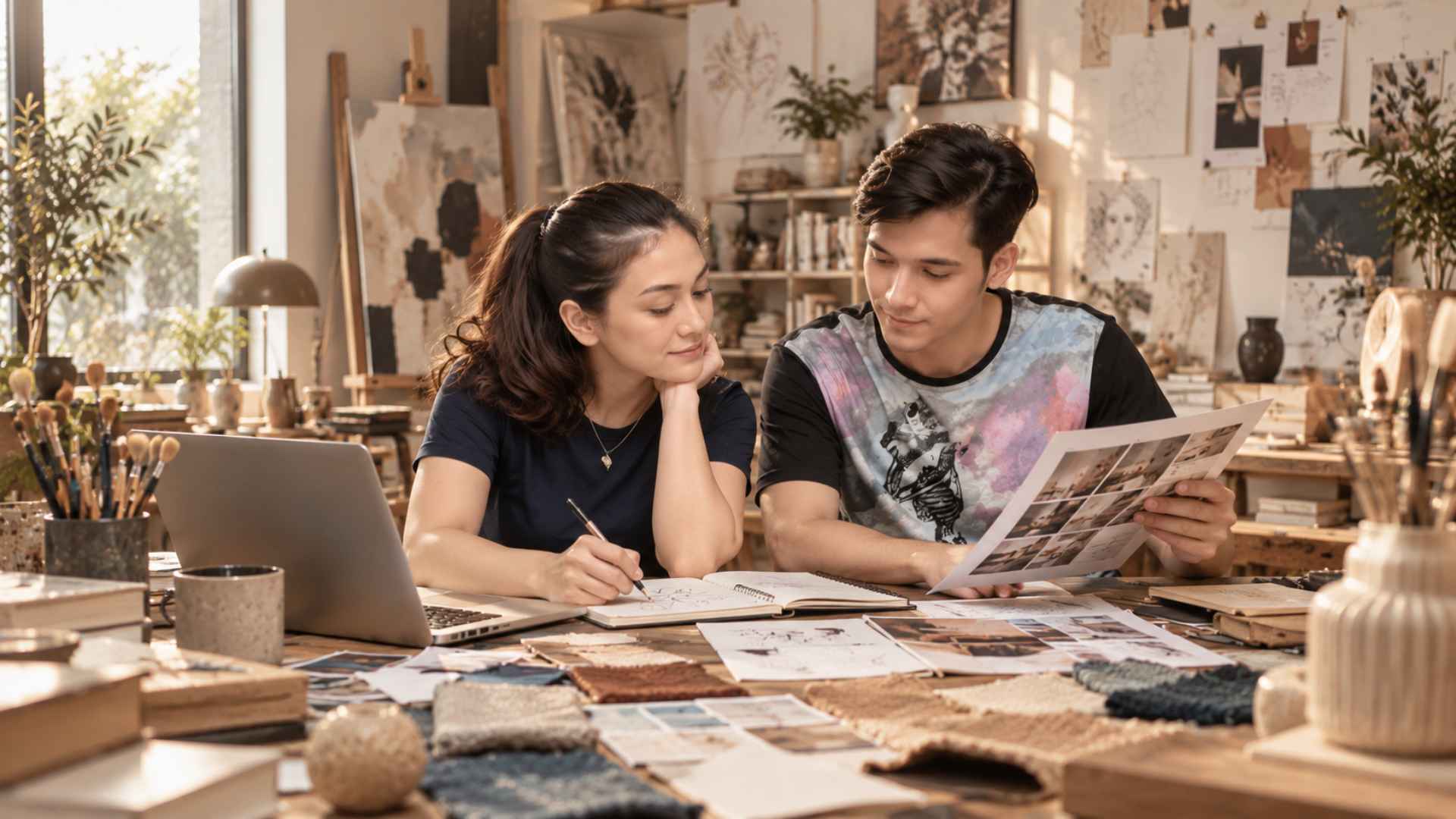
In a world shaped by changing trends, digital influences, and diverse cultural perspectives, individuality has become an important part of how people express themselves. Personal style, creative expression, and innovative thinking allow individuals to communicate their values, showcase their personalities, and build meaningful connections with others. Rather than following every popular trend, many people are choosing to embrace their differences and develop an identity that reflects who they truly are. This shift highlights the growing importance of authenticity in modern life, where originality can be more valuable than simply fitting in.
Embracing individuality means recognizing that everyone has a distinct perspective, creative potential, and personal story worth sharing. Through fashion choices, artistic practices, and forward-thinking ideas, people can transform ordinary experiences into opportunities for self-expression. The concept of embracing uniqueness through style, art, and innovation represents more than an aesthetic preference. It reflects a mindset that celebrates diversity, encourages experimentation, and inspires people to challenge conventional expectations while remaining true to their personal values.
The Power of Personal Style in Expressing Individuality
Personal style serves as a visual language that communicates identity without requiring words. From clothing combinations and accessories to hairstyles and interior design, everyday choices can reveal aspects of personality, cultural background, and individual preferences. Some people express confidence through bold colors and unconventional silhouettes, while others prefer minimalist designs that emphasize simplicity and functionality. Neither approach is inherently better because authentic style depends on personal comfort and intention. By making thoughtful choices instead of automatically following trends, individuals can create a recognizable identity that evolves naturally with their experiences.
Beyond appearance, personal style can influence confidence, creativity, and the way people interact with the world. Wearing something that reflects personal taste can encourage individuals to feel more comfortable in their own skin and communicate their identity with greater assurance. Social media has also expanded opportunities for people to share distinctive looks, connect with like-minded communities, and gain inspiration from different cultures. However, developing an authentic appearance requires balancing inspiration with personal judgment. When people understand what resonates with them, fashion becomes a meaningful form of self-expression rather than a constant effort to meet external expectations.
Art as a Reflection of Personal Identity and Emotion
Art provides a powerful space for expressing thoughts, emotions, and experiences that may be difficult to communicate through everyday conversation. Painting, photography, music, sculpture, writing, and digital illustration offer different ways to translate personal perspectives into creative forms. Every artistic decision, from selecting a color palette to shaping a composition, can carry individual meaning. Even when artists work with similar materials or techniques, their interpretations often differ because each person brings a unique combination of memories, beliefs, and emotions to the creative process. This diversity makes art an enduring reflection of human individuality.
Innovation Encourages Original Thinking and Creative Freedom
Innovation thrives when people are willing to question familiar approaches and consider possibilities beyond established conventions. In design, technology, architecture, and everyday problem-solving, fresh ideas often emerge from combining different perspectives with practical experimentation. Individuals who embrace their uniqueness may notice opportunities that others overlook because they approach challenges through their own experiences and ways of thinking. Originality does not always require inventing something entirely new. Sometimes, innovation means improving an existing process, reimagining a traditional concept, or adapting familiar tools to meet changing needs. This willingness to experiment helps transform personal creativity into meaningful contributions.
Fashion Innovation Creates New Possibilities for Self-Expression
Fashion innovation demonstrates how creativity and individuality can influence an entire industry. Designers are increasingly experimenting with unconventional materials, adaptable garments, digital design tools, and more responsible production methods. These developments create opportunities for people to choose clothing that reflects both their aesthetic preferences and their personal values. For example, customized garments and upcycled fashion allow individuals to develop distinctive looks while reconsidering the environmental impact of their purchases. By combining originality with thoughtful design, fashion can become a platform for challenging outdated standards and encouraging a more inclusive understanding of beauty.
Digital Art Expands Creative Opportunities for Modern Artists
Digital technology has changed how artists create, present, and distribute their work. Illustration software, animation platforms, photography applications, and emerging creative technologies enable individuals to experiment with techniques that were once difficult or expensive to access. Artists can develop distinctive visual identities, collaborate across geographical boundaries, and reach audiences through online portfolios and creative communities. These possibilities make artistic participation more accessible while introducing new questions about originality, ownership, and the role of technology in creativity. Ultimately, digital tools are most valuable when they support an artist’s personal vision rather than replace the imagination and intention behind the work.
Sustainable Design Connects Innovation With Personal Values
Sustainable design shows that innovation can express individuality while responding to broader social and environmental concerns. Instead of prioritizing appearance alone, designers and consumers can consider durability, material choices, ethical production, and long-term usefulness. Handmade accessories, repaired clothing, reclaimed furniture, and thoughtfully designed everyday objects demonstrate how practical decisions can also reflect personal identity. Choosing sustainable alternatives does not mean sacrificing creativity or visual appeal. On the contrary, working within material limitations can encourage resourcefulness and originality. When design decisions align with individual values, everyday objects become expressions of both personal taste and responsible living.
Building an Authentic Lifestyle Through Creativity and Originality
Embracing uniqueness becomes more meaningful when personal style, artistic expression, and innovative thinking work together in everyday life. A person might develop a signature appearance, decorate a living space with original artwork, or approach professional challenges through unconventional ideas. These choices can reinforce one another, creating a lifestyle that reflects individual interests and priorities. Authenticity, however, does not require constant reinvention or attention from others. It involves understanding personal preferences, accepting imperfections, and making decisions that feel consistent with one’s identity. Over time, small creative choices can build a stronger sense of self and encourage greater appreciation for different perspectives.
Developing this mindset also requires openness, patience, and a willingness to grow. Personal tastes change, artistic abilities develop, and innovative ideas evolve as people encounter new experiences. Comparing personal progress with carefully curated images of other people’s lives can make originality feel difficult to achieve, but individuality is not a competition. Instead, it is an ongoing process of discovering what feels meaningful and expressing it with intention. By supporting diverse creative voices, choosing styles that reflect genuine preferences, and welcoming new ways of thinking, individuals can contribute to a culture that values authenticity over conformity. Ultimately, embracing uniqueness through style, art, and innovation encourages people to celebrate their differences, transform ideas into creative expressions, and build a more inclusive world where originality has lasting value.