
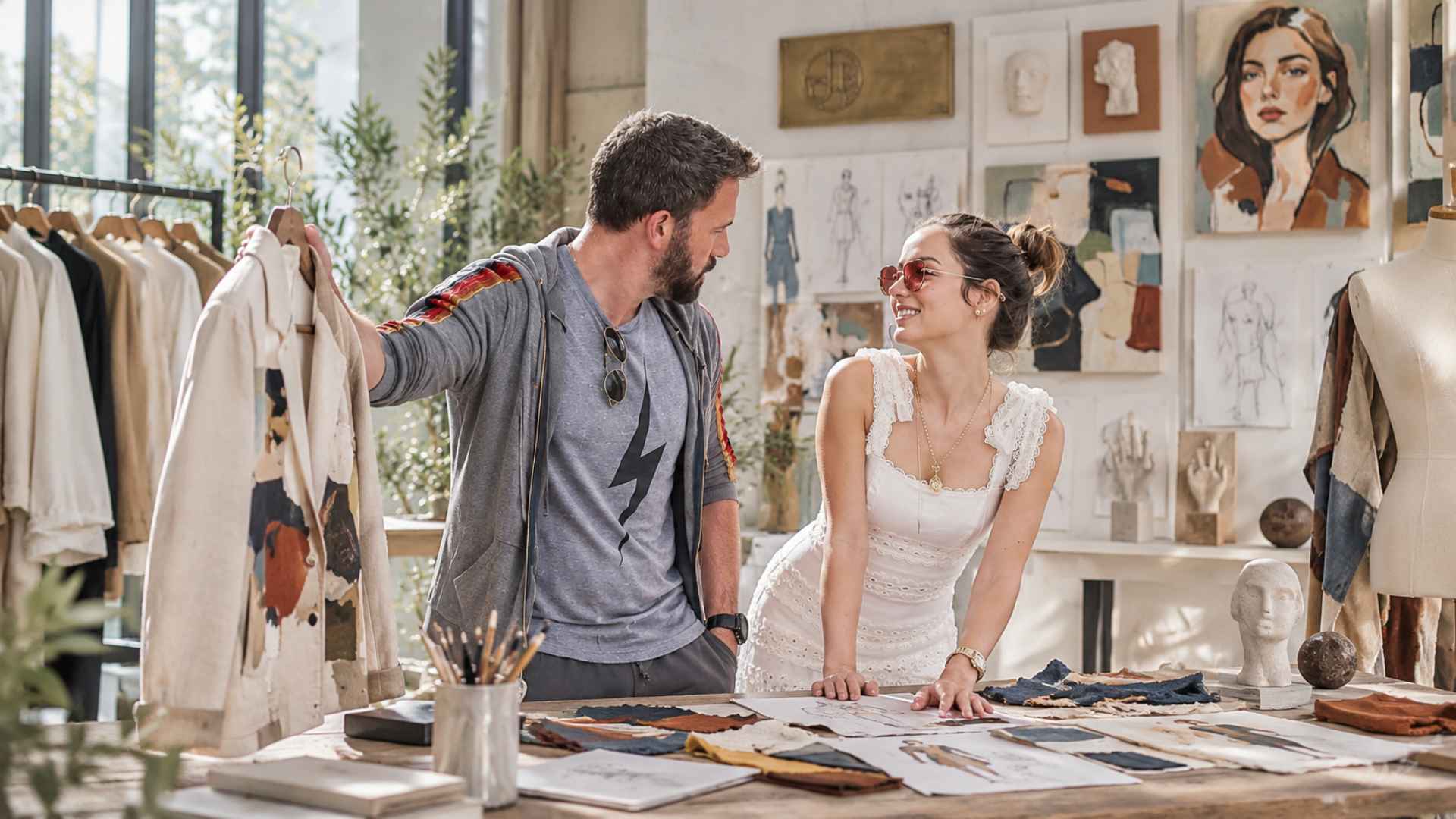
Fashion has always been more than a way to cover the body. It is a powerful form of communication that allows people to express their personalities, emotions, beliefs, and individual perspectives without saying a single word. From carefully selected colors to distinctive silhouettes, every clothing choice can tell a personal story. In a world where individuality is increasingly valued, personal style has become an important part of how people present themselves and connect with others. The relationship between clothing and creativity creates endless opportunities to experiment with appearance, challenge expectations, and develop a stronger sense of identity.
The art of self expression through fashion and creativity encourages individuals to move beyond conventional trends and embrace what makes them unique. Rather than following every popular style, people can use clothing, accessories, hairstyles, and artistic details to communicate their authentic selves. A vintage jacket, a handmade necklace, or an unexpected combination of patterns can reveal personal interests and cultural influences. These creative choices transform everyday outfits into meaningful expressions of individuality. By approaching fashion as a personal art form, anyone can develop a distinctive aesthetic that reflects their experiences, values, and imagination.
How Fashion Becomes A Powerful Form Of Personal Expression
Clothing communicates messages about personality, mood, and lifestyle before a conversation even begins. Someone who prefers neutral colors and minimalist designs may appreciate simplicity, while another person who enjoys vibrant patterns and experimental combinations may feel comfortable expressing a more adventurous personality. These associations are not universal rules, but they demonstrate how fashion can influence the way people present themselves and are perceived by others. Personal style offers a flexible visual language that changes alongside individual experiences, allowing people to express different aspects of their identities through everyday clothing.
Beyond appearance, fashion provides an opportunity to communicate cultural heritage, social values, and personal beliefs. Traditional garments, locally crafted accessories, and clothing inspired by family history can help preserve meaningful connections to cultural identity. Meanwhile, choosing secondhand clothing or supporting independent designers may reflect an interest in sustainability and ethical production. These decisions demonstrate that style can carry significance beyond aesthetics. When people make thoughtful fashion choices, they create a visual representation of what matters to them while contributing to a broader conversation about identity, creativity, and responsible consumption.
The Role Of Creativity In Developing An Individual Style
Creativity transforms fashion from a routine activity into an opportunity for artistic experimentation. Instead of relying entirely on ready-made outfits or current trends, individuals can combine different textures, proportions, colors, and accessories to create something personal. Inspiration may come from architecture, music, nature, photography, or memories of meaningful experiences. Even small adjustments, such as layering unexpected pieces or modifying an old garment, can produce a fresh and distinctive look. Developing an individual style does not require expensive clothing or professional design skills. It begins with curiosity, observation, and the willingness to experiment with available resources.
Building Confidence Through Authentic Fashion Choices
Confidence often grows when personal appearance reflects inner identity rather than external expectations. Wearing clothes that feel comfortable, meaningful, and consistent with individual preferences can help people feel more secure in social and professional settings. Although fashion cannot solve every insecurity, it can provide a practical way to celebrate personal strengths and embrace individuality. Choosing an outfit that feels authentic may encourage people to stand more comfortably in their own identities, even when their preferences differ from prevailing trends. Over time, these decisions can support a healthier relationship with appearance by shifting attention away from comparison and toward self-acceptance.
Using Colors And Textures To Communicate Emotions
Colors and textures can influence the atmosphere of an outfit and help communicate a particular mood. Bright shades may create an energetic impression, while softer tones can convey calmness or subtle elegance. Textures also contribute to visual expression, with denim, linen, leather, knitwear, and silk offering different aesthetic qualities. Combining these elements thoughtfully allows individuals to create outfits that reflect how they feel or how they want to present themselves on a particular day. However, color associations vary across cultures and personal experiences, making experimentation more valuable than following rigid styling rules.
Mixing Fashion Trends With Personal Preferences
Fashion trends can provide inspiration, but they become more meaningful when adapted to individual tastes. A popular silhouette, seasonal color, or statement accessory does not need to define an entire wardrobe. Instead, people can select elements that complement their existing style and combine them with familiar pieces. For example, a trend-driven jacket might work well with classic jeans and personal accessories, creating a balanced appearance that feels current without losing individuality. This selective approach helps prevent wardrobes from becoming dependent on short-lived trends. It also encourages more thoughtful shopping, as each new purchase can serve a genuine purpose within a person’s personal style.
Turning Everyday Clothing Into Creative Art
Everyday clothing offers countless opportunities to practice creativity without requiring a complete wardrobe transformation. Repairing damaged garments, adding embroidery, customizing denim, or experimenting with different layering techniques can give familiar pieces a new identity. Accessories can also change the character of an outfit, making a simple combination feel more expressive with minimal effort. These practices encourage resourcefulness and demonstrate that creativity depends more on imagination than on spending power. By treating existing garments as materials for artistic expression, individuals can develop a more sustainable approach to fashion while creating distinctive looks that carry personal meaning.
Embracing Sustainable Fashion And Creative Individuality
Self expression through fashion becomes even more meaningful when creativity is combined with conscious consumption. The fashion industry produces enormous quantities of clothing, making thoughtful purchasing decisions an important consideration for consumers. Choosing durable garments, buying secondhand items, repairing damaged clothes, and supporting responsible brands can help reduce unnecessary waste. These practices also create opportunities for more imaginative styling because pre-owned and existing pieces often encourage people to work with unusual colors, shapes, and materials. A carefully curated wardrobe does not need to be large to offer variety. With a little creativity, a smaller collection of versatile garments can support numerous combinations while reflecting personal values.
Ultimately, the art of self expression through fashion and creativity is about developing a style that feels genuine, adaptable, and meaningful. There is no single formula for achieving an expressive appearance because every individual brings different experiences, preferences, and cultural influences to the process. The most compelling personal styles often emerge through experimentation, reflection, and the confidence to make independent choices. By combining artistic imagination with authentic preferences and sustainable habits, people can transform fashion into a lasting form of self expression. Every outfit becomes an opportunity to communicate identity, celebrate individuality, and show the world a little more of who they truly are.